Nusa Penida Full Day Tour:…
Nusa Penida Full Day Tour: How to Make Every Stop Count Planning…
An Ubud Cultural Tour is the perfect way to experience the traditions, spirituality, and artistic heritage that make Bali unique. While many visitors know the island for its beaches and sunsets, Ubud reveals another side of Bali—one where centuries-old temples, local artisans, traditional ceremonies, and lush rice terraces remain an important part of everyday life.
Located in the highlands of Gianyar Regency, Ubud is often called the cultural heart of Bali. A full-day cultural tour allows you to discover ancient temples, visit artisan villages, admire UNESCO-recognized rice terraces, and gain a deeper understanding of Balinese customs with the convenience of a private driver.
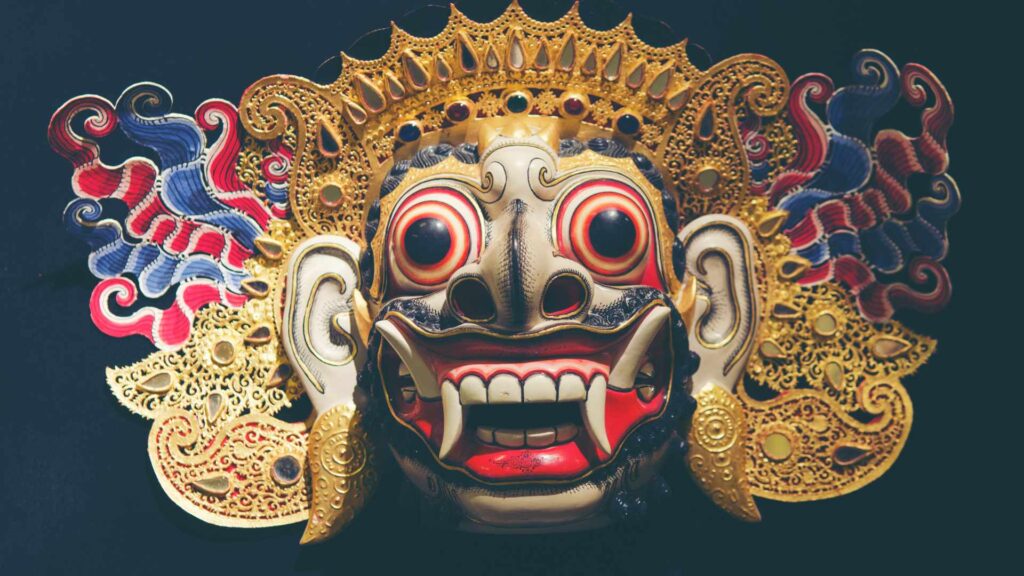
Ubud offers far more than sightseeing. Every village, temple, and traditional workshop tells part of Bali’s story.
A cultural tour is ideal for travelers who want to:
Whether you’re visiting Bali for the first time or returning for another holiday, Ubud provides experiences that are both relaxing and culturally enriching.
Ubud is situated in the center of Bali, approximately 35 kilometers north of Ngurah Rai International Airport.
Surrounded by forests, rivers, rice fields, and traditional villages, Ubud enjoys a cooler climate than many coastal areas. Its central location also makes it an excellent base for exploring nearby attractions across Gianyar and Bangli Regencies.
Approximate driving times to Ubud are:
| Departure Area | Estimated Time |
|---|---|
| Sanur | 45–60 minutes |
| Kuta | 60–75 minutes |
| Seminyak | 75–90 minutes |
| Canggu | 90–105 minutes |
| Nusa Dua | 90–120 minutes |
| Uluwatu | Around 2 hours |
| Ubud Town Center | 5–20 minutes to most attractions |
Travel times vary depending on traffic, particularly during school holidays and the afternoon peak. Starting your tour early in the morning helps you avoid congestion and enjoy quieter attractions.
Located in the center of Ubud, Saraswati Temple is famous for its elegant lotus pond and traditional Balinese architecture.
Dedicated to Dewi Saraswati, the goddess of wisdom and knowledge, the temple is especially beautiful during the morning and late afternoon when the lotus flowers bloom and the light becomes softer for photography.
Dating back to the 11th century, Goa Gajah is one of Bali’s most important archaeological sites.
Visitors can explore its carved cave entrance, meditation areas, bathing pools, and peaceful gardens while learning about the island’s Hindu and Buddhist history.
As this remains a sacred place, respectful clothing is required.
Nestled in a lush river valley, Gunung Kawi is renowned for its impressive stone shrines carved directly into the cliffs.
Reaching the temple involves walking down several hundred steps through rice fields and tropical vegetation, making the journey just as memorable as the destination itself.
One of the highlights of an Ubud Cultural Tour is meeting the talented artisans who preserve Bali’s traditional crafts.
Celuk has earned an international reputation for handcrafted silver and gold jewelry. Visitors can watch skilled craftsmen create intricate designs using traditional techniques.
Mas Village specializes in wood carving, where artists transform local hardwood into detailed sculptures, masks, and decorative pieces inspired by Balinese mythology.
Known for its distinctive painting style, Batuan Village showcases artworks featuring daily village life, mythology, and religious ceremonies with remarkable detail.
Many workshops welcome visitors who wish to observe the creative process firsthand.
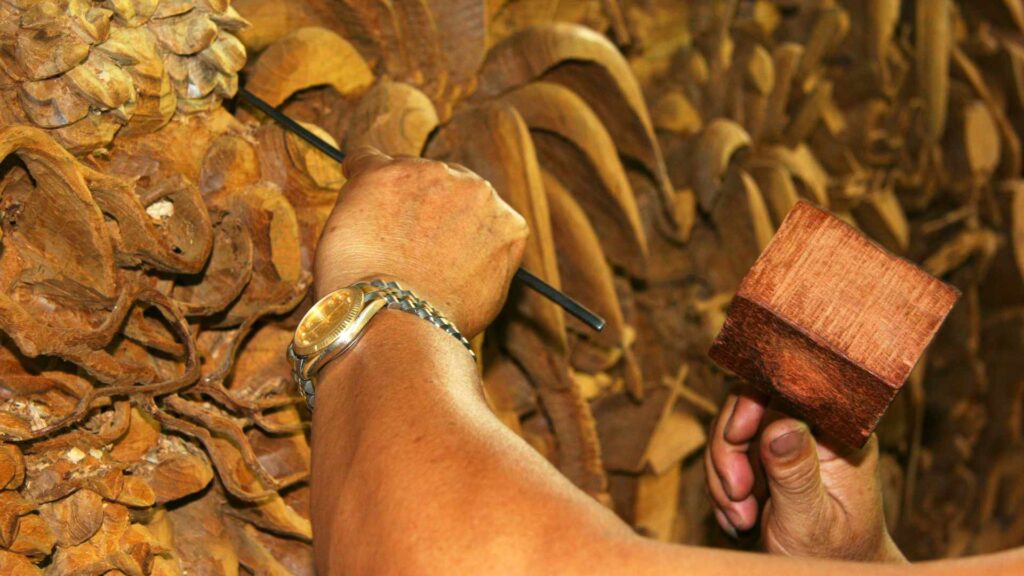
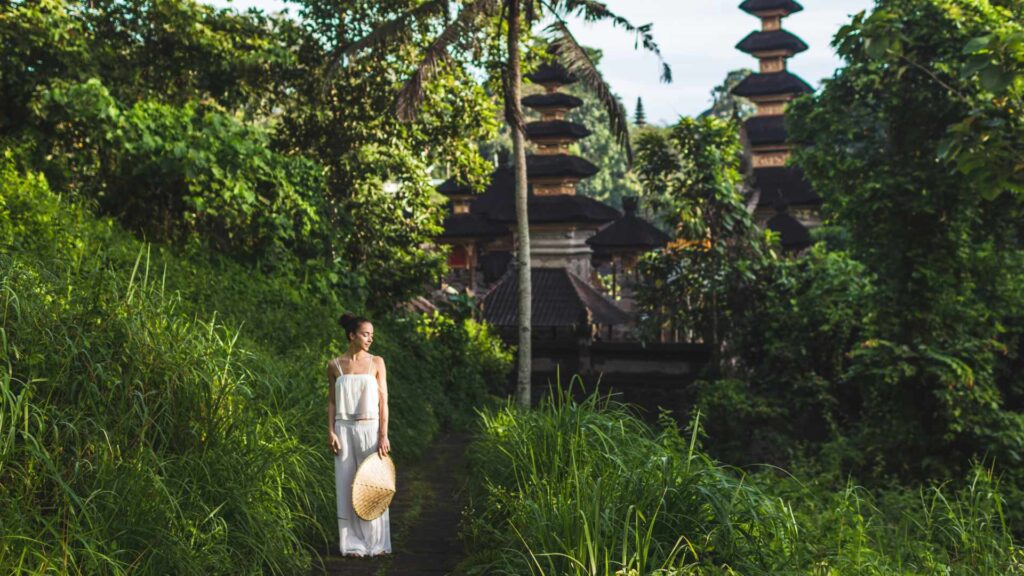
Ubud is home to some of Bali’s finest performing arts.
Depending on your itinerary, you may have the opportunity to watch:
These performances tell stories from ancient Hindu epics and continue to play an important role in preserving Balinese culture.
Evening performances are particularly popular, so booking tickets in advance is recommended during the high season.
No cultural visit to Ubud is complete without seeing the spectacular Tegallalang Rice Terrace.
Besides offering panoramic views, Tegallalang demonstrates Bali’s traditional Subak irrigation system, a centuries-old community-managed farming method recognized by UNESCO for its cultural significance.
Early morning visits provide cooler weather, softer light, and fewer crowds.
Several cafés overlooking the valley make excellent places to enjoy coffee while taking in the scenery.
A well-balanced itinerary may include:
08:30 – Hotel pickup
09:30 – Visit Celuk Village
10:15 – Explore Mas Village
11:00 – Goa Gajah Temple
12:30 – Lunch at a local restaurant
14:00 – Tegallalang Rice Terrace
15:30 – Saraswati Temple
16:30 – Ubud Palace and Ubud Art Market
18:00 – Optional traditional dance performance
Private tours allow flexibility, so your driver can adjust the schedule according to your interests and traffic conditions.
To make your experience more enjoyable:
Hiring a knowledgeable local driver also provides valuable insight into Balinese customs that many visitors might otherwise miss.
Yes.
Many travelers combine an Ubud Cultural Tour with nearby attractions such as:
If you’re planning to continue your holiday to Nusa Penida, arranging a private transfer to Sanur Harbour after your Ubud stay makes the journey convenient. From Sanur, fast boats operate daily to Nusa Penida, although departure schedules may vary depending on weather and sea conditions.
Ubud is enjoyable throughout the year.
The dry season, from April to October, generally provides clearer skies for sightseeing and outdoor walks.
During the rainy season, the surrounding forests and rice terraces become especially lush and green. Short tropical showers are common, so carrying a light rain jacket or umbrella is advisable.
Morning tours usually offer cooler temperatures and fewer visitors at popular attractions.
An Ubud Cultural Tour is more than a sightseeing trip—it is an opportunity to understand the traditions, creativity, and spiritual heritage that continue to shape everyday life in Bali. From ancient temples and artisan workshops to rice terraces and traditional performances, every stop reveals another layer of the island’s rich culture.
Exploring with a private driver gives you the flexibility to enjoy each destination at your own pace while making your journey comfortable and stress-free.
👉 Contact us today to customize your Ubud Cultural Tour and experience the true heart of Bali with local professionals.
Most tours take between 8 and 10 hours, depending on your hotel location and the attractions included in your itinerary.
Yes. Most temples require visitors to wear a sarong and sash, which are often available to borrow or rent at the entrance.
Yes. Families often enjoy the mix of temples, rice terraces, craft villages, and cultural performances. Comfortable walking shoes are recommended for younger travelers.
Leaving your hotel between 7:30 AM and 8:30 AM helps avoid traffic and allows you to visit popular attractions before they become crowded.
Yes. A private tour allows you to tailor the itinerary to your interests, whether you prefer temples, local art, nature, photography, or traditional Balinese experiences.
Read Bali travel blog and news featuring tour tips, destination guides, local culture, and the latest updates from Bali & Nusa Penida
Nusa Penida Full Day Tour: How to Make Every Stop Count Planning…
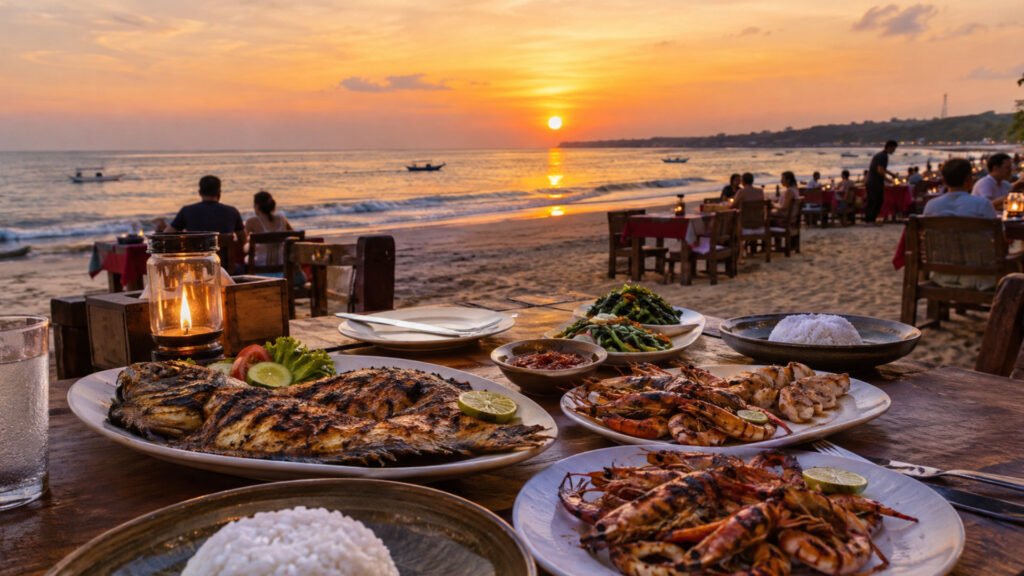
Jimbaran Seafood Dinner: How to Plan a Relaxed Evening in Bali A…

Best Hotels in Nusa Penida for Every Traveler Choosing the best hotels…