Nusa Penida Full Day Tour:…
Nusa Penida Full Day Tour: How to Make Every Stop Count Planning…
When people think about Bali, stunning beaches and tropical sunsets often come to mind first. However, the island’s greatest treasure is its living culture. Bali Cultural Experiences give visitors the opportunity to explore traditions that continue to shape daily life, from temple ceremonies and handcrafted art to village customs and family-owned businesses.
Unlike destinations where traditions exist mainly for tourism, Bali’s culture is woven into everyday life. Offerings are placed outside homes each morning, temples host regular ceremonies, artisans continue skills passed down through generations, and communities work together through a philosophy known as Tri Hita Karana, which emphasizes harmony between people, nature, and the spiritual world.
If you’re planning a trip, these are some of the most rewarding cultural experiences to include in your Bali itinerary.
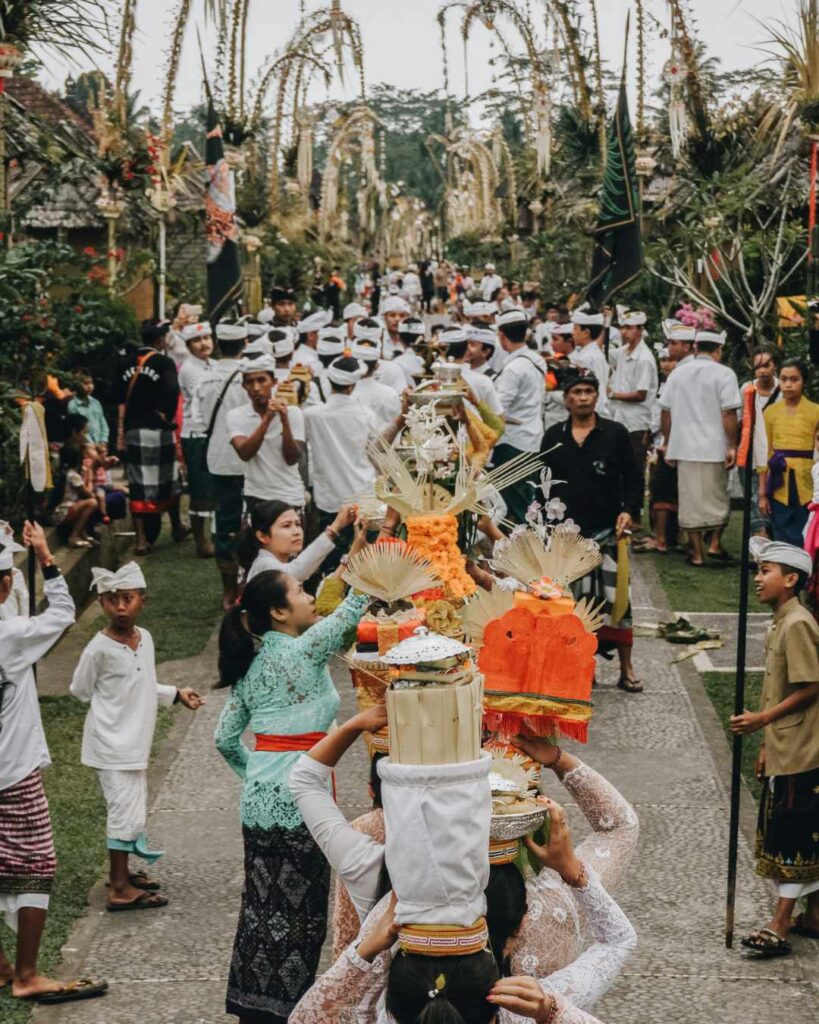
Experiencing Bali’s culture helps travelers appreciate the island from a different perspective.
Instead of simply visiting attractions, you’ll gain insight into local beliefs, architecture, traditions, and community life. Many visitors say that cultural experiences become the most memorable part of their holiday because they offer genuine connections rather than just beautiful photographs.
A private driver also makes exploring cultural destinations easier, especially since many are located in different regions of the island.
Temples are at the heart of Balinese Hindu life.
Each temple serves a unique purpose, and many continue to host ceremonies attended by local families throughout the year.
Some of the most popular temples include:
When visiting, remember that these are active places of worship. Dress modestly, wear a sarong where required, and avoid disturbing ceremonies.
Morning visits are usually quieter and provide more comfortable weather for sightseeing.
One of the best ways to experience authentic Balinese life is by visiting villages that continue to preserve their cultural identity.
Known for its clean streets, traditional family compounds, and community regulations, Penglipuran offers a glimpse into traditional village life.
Home to the Bali Aga community, Tenganan preserves customs that predate the arrival of the Majapahit Kingdom. The village is also famous for its unique double ikat weaving known as Geringsing.
Walking through these villages allows visitors to observe local architecture, daily routines, and community traditions that have remained largely unchanged for generations.
Dance is one of Bali’s oldest storytelling traditions.
Performances combine expressive movements, elaborate costumes, and live gamelan music to tell stories from Hindu epics.
Popular performances include:
Excellent places to watch traditional performances include:
Evening performances are especially popular after a day of sightseeing.
Bali has long been recognized for its talented artisans.
Several villages specialize in particular crafts.
Renowned for handcrafted silver and gold jewelry.
Famous for intricate wood carvings produced by skilled local craftsmen.
Known for its detailed traditional Balinese paintings that often depict mythology and everyday life.
Visiting these villages offers the chance to watch artists at work while learning about techniques passed down through generations.
Food is an important part of Bali’s cultural identity.
Joining a cooking class introduces visitors to local spices, fresh ingredients, and traditional recipes that families have prepared for decades.
Many classes include:
Cooking classes around Ubud and Gianyar are particularly popular because of their peaceful village settings.
Rice farming has shaped Balinese culture for centuries.
Terraces such as Tegallalang and Jatiluwih showcase the famous Subak irrigation system, recognized by UNESCO for its cultural significance.
Walking through these landscapes provides insight into traditional farming methods that continue to support local communities today.
Early morning is generally the best time for comfortable temperatures and beautiful lighting.
Traditional markets offer an authentic look at daily life.
Markets such as Ubud Art Market, Gianyar Night Market, and several village markets sell handmade crafts, tropical fruit, spices, textiles, and local snacks.
Browsing these markets is also an excellent opportunity to support small family businesses.
Cash is useful, although many larger shops now accept digital payments.
One of the most unique Bali Cultural Experiences is observing a religious ceremony.
Throughout the year, temples host colorful festivals featuring:
Visitors are usually welcome to observe respectfully from designated areas.
If you encounter a ceremony during your trip, ask your guide about its significance before taking photographs.
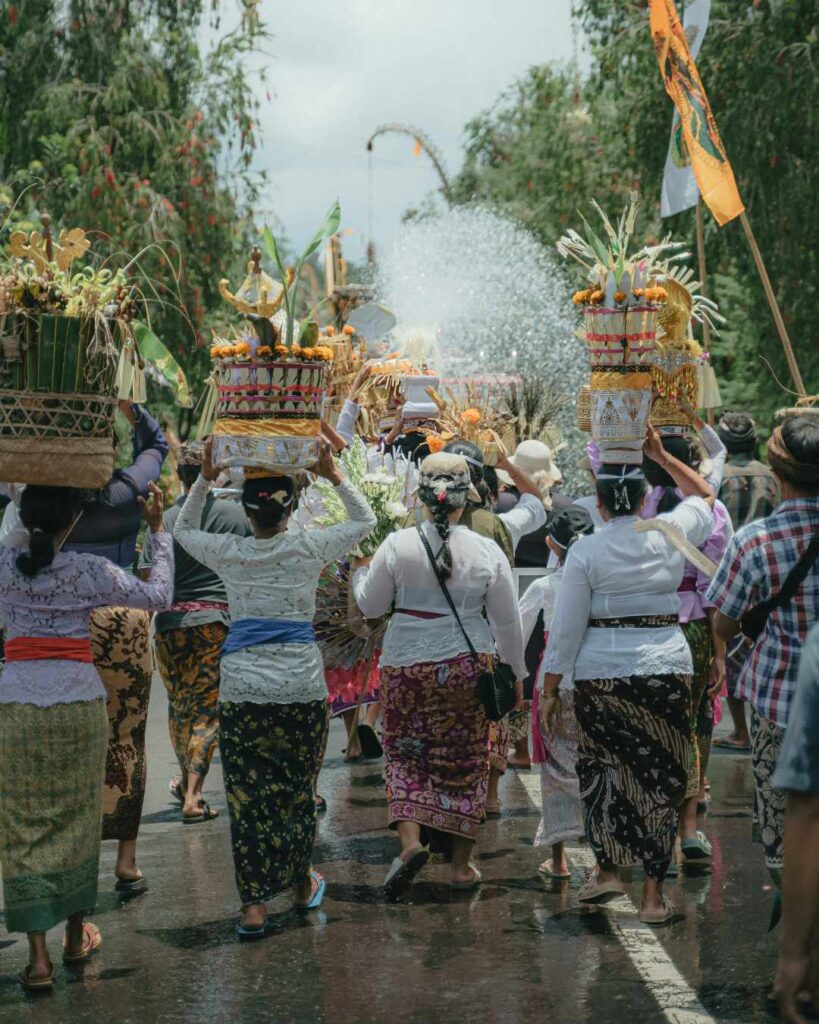
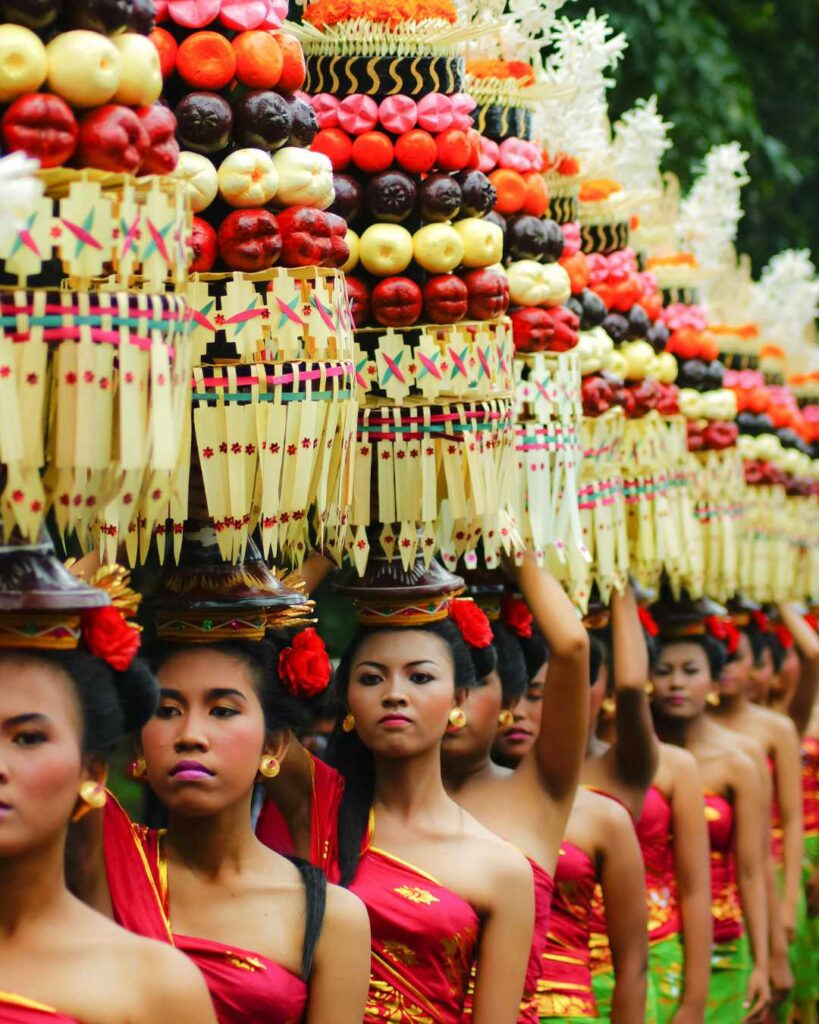
Even outside temples, you’ll notice small woven baskets filled with flowers, rice, and incense placed outside homes, businesses, and shrines.
These offerings, known as Canang Sari, represent gratitude and balance in Balinese Hinduism.
Avoid stepping on or moving these offerings, as they remain an important part of daily religious practice.
A well-balanced cultural day could include:
08:00 – Hotel pickup
09:00 – Traditional art village
10:30 – Tirta Empul Temple
12:30 – Lunch overlooking rice fields
02:00 – Tegallalang Rice Terrace
03:30 – Coffee plantation
05:30 – Ubud Palace
07:00 – Traditional Legong or Kecak dance performance
This itinerary combines history, spirituality, art, nature, and local cuisine in one enjoyable day.
To make the most of your cultural journey:
Road conditions are generally good, but travel times can increase during holidays and peak tourist seasons.
The most memorable trips often go beyond famous viewpoints and beaches. Bali Cultural Experiences allow travelers to connect with the island’s traditions, communities, and spiritual heritage in meaningful ways.
Whether you’re exploring ancient temples, learning traditional cooking, watching a dance performance, or walking through peaceful villages, each experience reveals another side of Bali that many visitors never forget.
A private cultural tour also provides the flexibility to travel at your own pace while discovering places that match your personal interests.
Temple visits, traditional dance performances, village tours, rice terraces, cooking classes, and local markets are among the best cultural experiences for first-time visitors.
Yes, many ceremonies can be observed respectfully. Visitors should follow local customs, dress modestly, and avoid interrupting religious activities.
Lightweight clothing is recommended, but temples require modest attire. Most temples provide or rent sarongs and sashes for visitors.
A private tour offers greater flexibility, allows you to visit several cultural sites in one day, and provides local insights from an experienced driver or guide.
Morning is ideal for temple visits and village tours due to cooler temperatures and fewer crowds, while traditional dance performances are typically held in the evening.
If you want to experience the authentic side of Bali, take time to explore its temples, traditional villages, cultural performances, and local communities. Traveling with a private driver gives you the freedom to create a personalized itinerary, discover hidden cultural gems, and enjoy a deeper connection with Bali’s living traditions at your own pace.
Read Bali travel blog and news featuring tour tips, destination guides, local culture, and the latest updates from Bali & Nusa Penida
Nusa Penida Full Day Tour: How to Make Every Stop Count Planning…
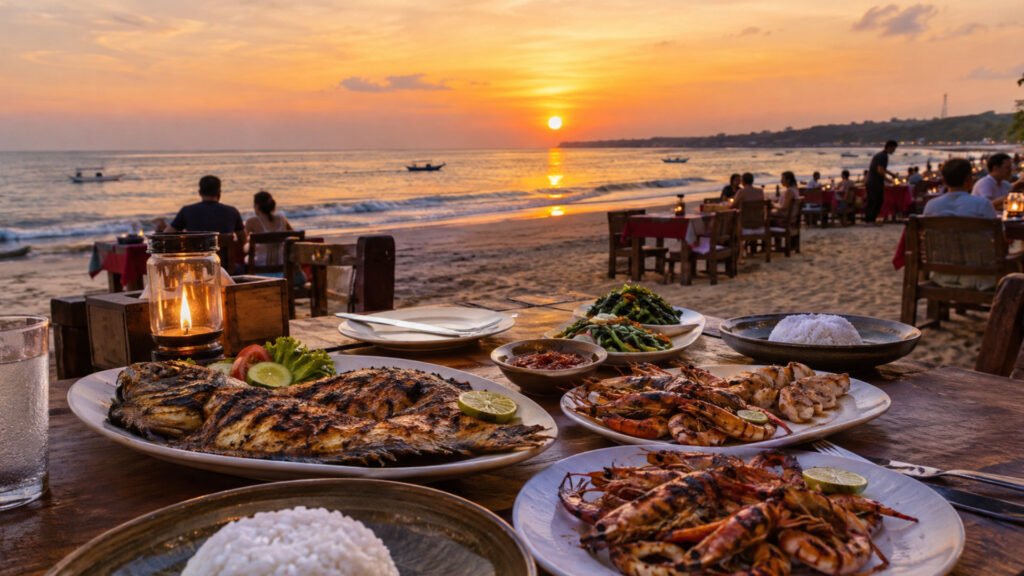
Jimbaran Seafood Dinner: How to Plan a Relaxed Evening in Bali A…

Best Hotels in Nusa Penida for Every Traveler Choosing the best hotels…