Nusa Penida Full Day Tour:…
Nusa Penida Full Day Tour: How to Make Every Stop Count Planning…
If you’re planning a day exploring western Nusa Penida, adding banah cliff point nusa penida to your itinerary provides a chance to enjoy one of the island’s most dramatic coastal landscapes while escaping some of the busiest tourist spots.
Some places in Nusa Penida require a little extra effort to reach, but reward visitors with unforgettable scenery. Banah Cliff Point is one of those locations. Unlike the island’s more famous viewpoints that often attract large crowds, Banah Cliff Point offers a quieter experience where towering limestone cliffs meet the deep blue waters of the Indian Ocean.
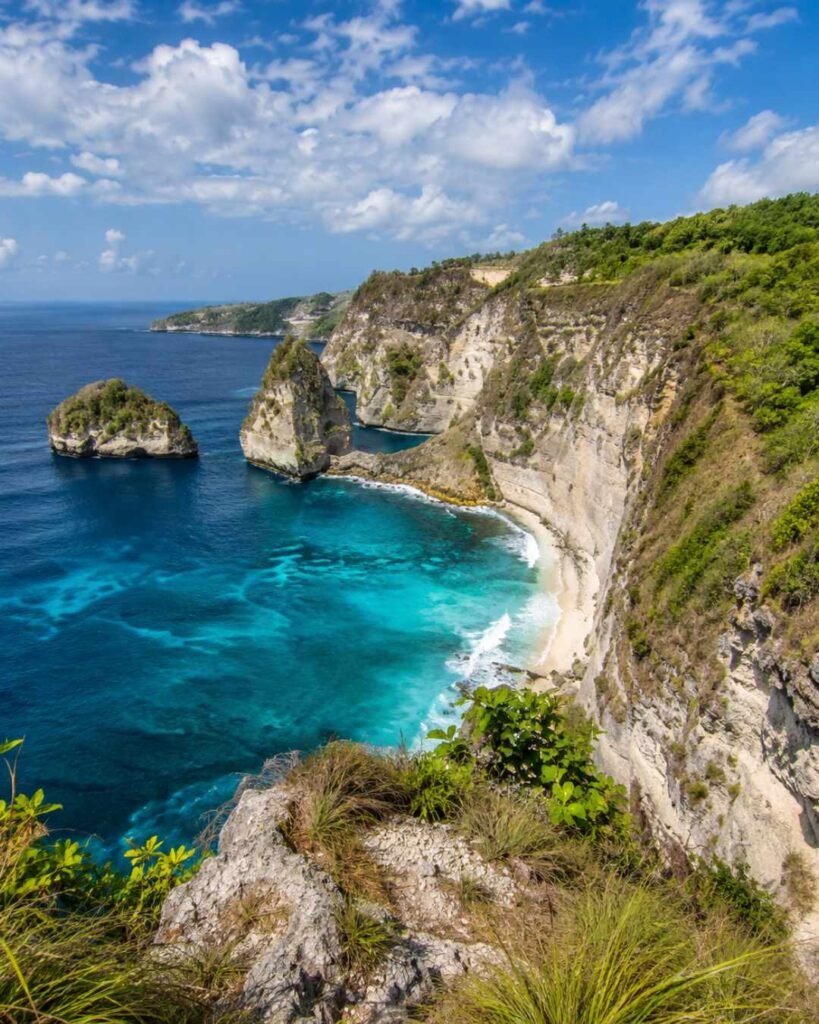
Banah Cliff Point is known for its impressive limestone formations rising directly from the sea. One of the most recognizable features is a tall rock pillar standing offshore, shaped naturally over thousands of years by waves and erosion.
The viewpoint overlooks steep cliffs, turquoise water during calm weather, and powerful ocean swells that crash against the coastline below. Since there is no beach access here, the attraction is all about panoramic scenery and photography rather than swimming.
Compared with more popular destinations such as Kelingking Beach, Banah Cliff Point usually feels more peaceful, making it ideal for travelers looking for a slower-paced sightseeing experience.
Banah Cliff Point is located on the southwestern side of Nusa Penida Island. It is commonly visited together with other nearby attractions including:
Because these destinations are relatively close to one another, many private day tours combine them into a full-day west Nusa Penida itinerary.
Most visitors begin their journey from Bali by taking a fast boat from Sanur Harbor to Nusa Penida. The crossing generally takes around 30 to 45 minutes, depending on weather and sea conditions.
After arriving at one of the island’s harbors, you’ll need ground transportation to reach Banah Cliff Point. Renting a scooter is possible for experienced riders, but many visitors prefer hiring a private driver because several island roads remain narrow, steep, and uneven.
Driving times vary depending on your arrival port and traffic, but expect approximately 45–70 minutes from the main harbor areas.
When planning your trip:
The final section leading toward the viewpoint may involve walking across uneven ground. Comfortable walking shoes provide better grip than sandals.
Once you arrive, you’ll find expansive ocean views with very few structures. The scenery feels wild and untouched, which is exactly what attracts many photographers.
Unlike developed attractions, visitor facilities are limited. Carry sufficient drinking water, sunscreen, and sun protection, particularly during the dry season.
Always remain behind safe viewpoints and avoid standing close to cliff edges, especially during windy conditions.
The dry season, generally from April through October, offers the clearest skies and best visibility for coastal photography.
Early morning provides softer lighting and cooler temperatures, while late afternoon often creates warmer colors across the limestone cliffs.
During the rainy season, clouds can reduce visibility, and roads may become slippery, so travel times may be longer.
Because ocean conditions change throughout the year, it’s worth checking local weather forecasts before visiting.
Banah Cliff Point is particularly rewarding for landscape photography.
For the best results:
If conditions are clear, you’ll notice the striking contrast between the white limestone cliffs and the deep blue ocean.
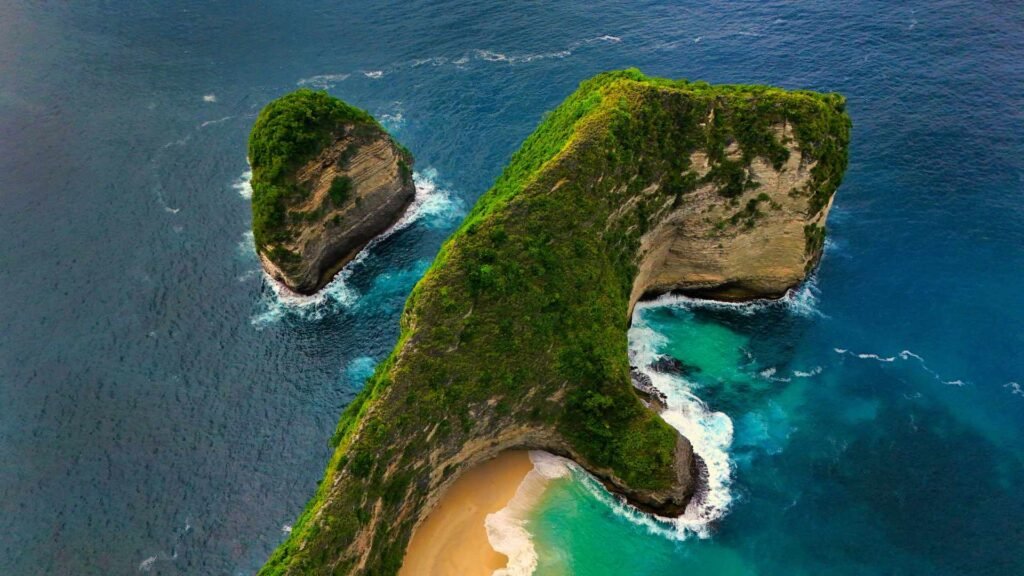
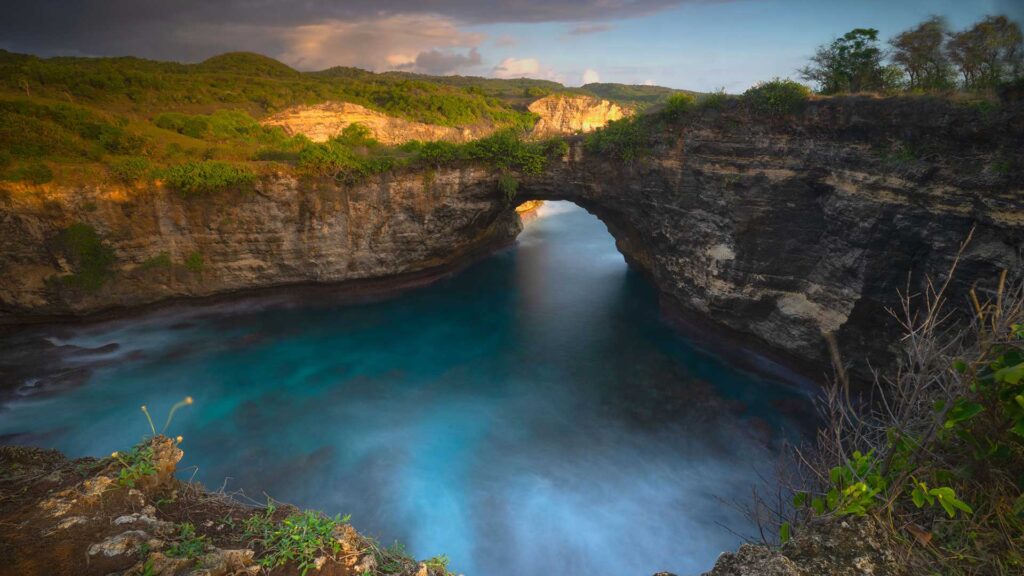
One advantage of visiting Banah Cliff Point is its proximity to several of Nusa Penida’s iconic destinations.
Known for its dinosaur-shaped cliff, Kelingking remains one of Bali’s most photographed viewpoints.
A naturally formed coastal arch creates one of the island’s most unique geological landscapes.
This natural infinity pool offers beautiful rock formations, although swimming is only safe when ocean conditions allow.
Crystal Bay is one of the best places on the island for relaxing, enjoying sunset views, or joining snorkeling trips when sea conditions are suitable.
Combining these locations creates a well-balanced day featuring dramatic viewpoints, coastal scenery, and optional beach time.
A few simple preparations can make your visit more comfortable.
Banah Cliff Point is especially suitable for:
It may be less suitable for travelers with significant mobility limitations because of uneven terrain near the viewpoint.
Since Banah Cliff Point is best explored alongside other western attractions, many travelers choose to arrange transportation before arriving on the island. Booking a private driver or joining a private Nusa Penida tour can simplify logistics, allowing you to spend more time enjoying the scenery rather than navigating unfamiliar roads.
If you’re traveling from Bali, combining fast boat transportation with a planned sightseeing route helps maximize your day, particularly if you’re visiting Nusa Penida on a single-day itinerary.
Banah Cliff Point may not be the island’s most famous attraction, but its dramatic cliffs, peaceful atmosphere, and sweeping Indian Ocean views make it one of western Nusa Penida’s hidden highlights. With careful planning, safe travel habits, and enough time to appreciate the landscape, it can easily become one of the most memorable stops during your island adventure.
Banah Cliff Point is located on the southwestern coast of Nusa Penida and is commonly visited as part of a West Nusa Penida sightseeing route.
Local regulations may change, so it’s advisable to check with your driver or local tourism information before your visit.
No. The attraction is a cliff viewpoint with no safe beach access for swimming.
Most visitors spend around 20 to 40 minutes enjoying the scenery and taking photographs before continuing to nearby attractions.
Yes, provided children are closely supervised near the cliff edges and everyone follows safety precautions while exploring the viewpoint.
Read Bali travel blog and news featuring tour tips, destination guides, local culture, and the latest updates from Bali & Nusa Penida
Nusa Penida Full Day Tour: How to Make Every Stop Count Planning…
Jimbaran Seafood Dinner: How to Plan a Relaxed Evening in Bali A…
Best Hotels in Nusa Penida for Every Traveler Choosing the best hotels…