Nusa Penida Full Day Tour:…
Nusa Penida Full Day Tour: How to Make Every Stop Count Planning…
Many travelers arrive in Bali with one question already in mind: Is Nusa Penida worth visiting? For most visitors, the answer is yes—but only if they plan the trip well. The island offers dramatic coastal cliffs, crystal-clear water, hidden beaches, and some of Indonesia’s best snorkeling experiences. At the same time, its rugged landscape and limited infrastructure mean preparation can make the difference between a rushed day trip and an unforgettable adventure.
This guide explains what to expect before visiting Nusa Penida, how to reach the island, where to go, and practical advice to help you enjoy your trip safely and comfortably.
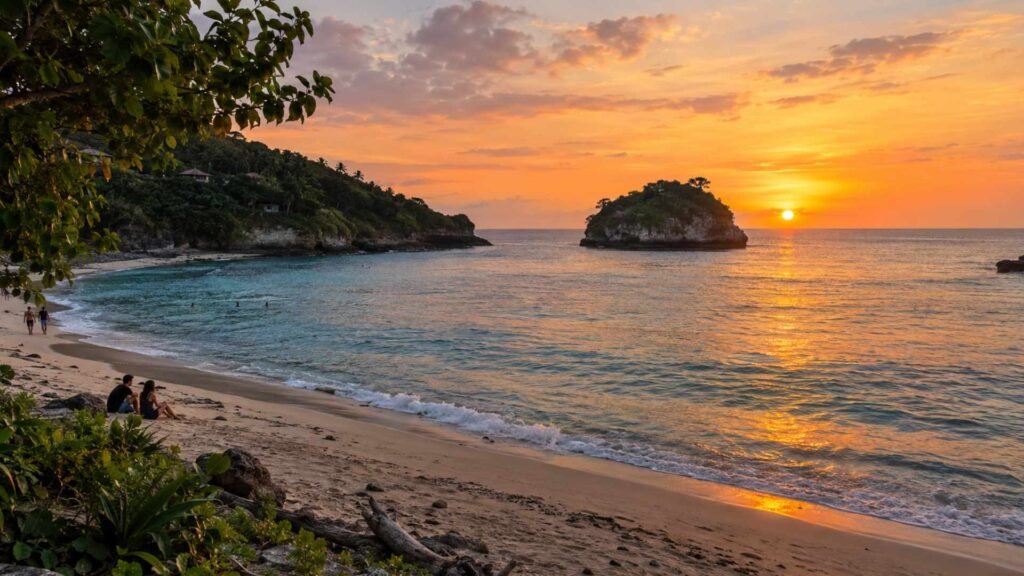
Located southeast of mainland Bali, Nusa Penida is the largest island in the Nusa Islands. While it was once known mainly among divers and adventurous travelers, improved fast boat services have made it accessible for day trips and overnight stays.
Unlike the busy beach towns of southern Bali, Nusa Penida offers dramatic natural scenery rather than nightlife or shopping. Visitors come here to experience towering limestone cliffs, secluded beaches, panoramic viewpoints, colorful coral reefs, and the chance to swim alongside manta rays.
Although tourism has grown rapidly, much of the island still feels wild and untouched, especially away from the main attractions.
The journey begins in Bali, where most travelers depart from Sanur Harbor. Modern fast boats connect Sanur with several harbors on Nusa Penida, including Toyapakeh, Banjar Nyuh, and Sampalan.
The crossing usually takes 30 to 50 minutes, depending on weather and sea conditions. Morning departures are generally the most popular because they allow visitors to maximize their time on the island.
If you’re staying in areas such as Ubud, Seminyak, Canggu, Kuta, or Nusa Dua, many travelers arrange private transportation to Sanur before boarding the boat. Combining hotel transfers with boat tickets often makes the journey smoother, especially for first-time visitors.
Boat schedules can change because of weather or sea conditions, so it’s always wise to confirm departure times before traveling.
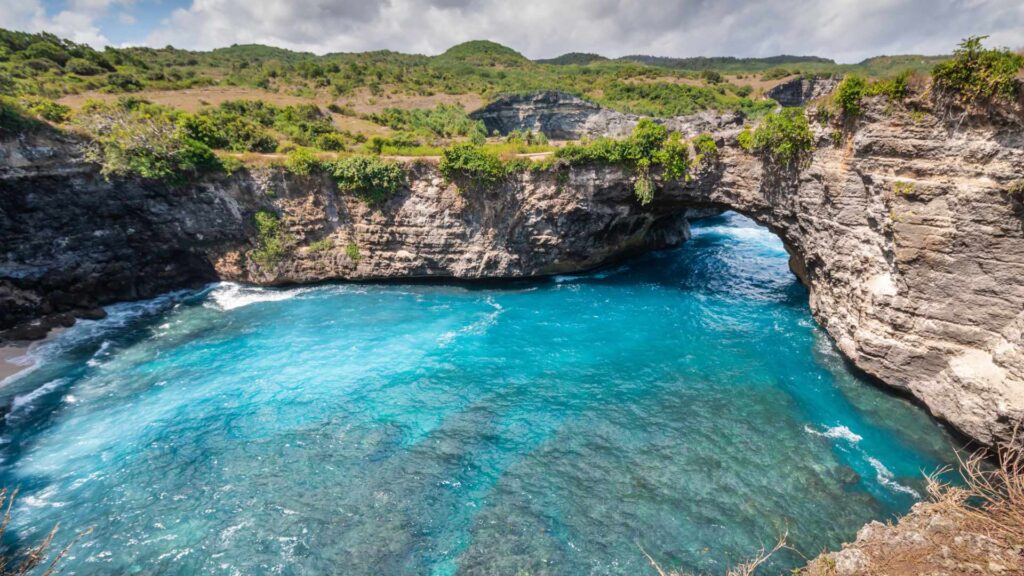
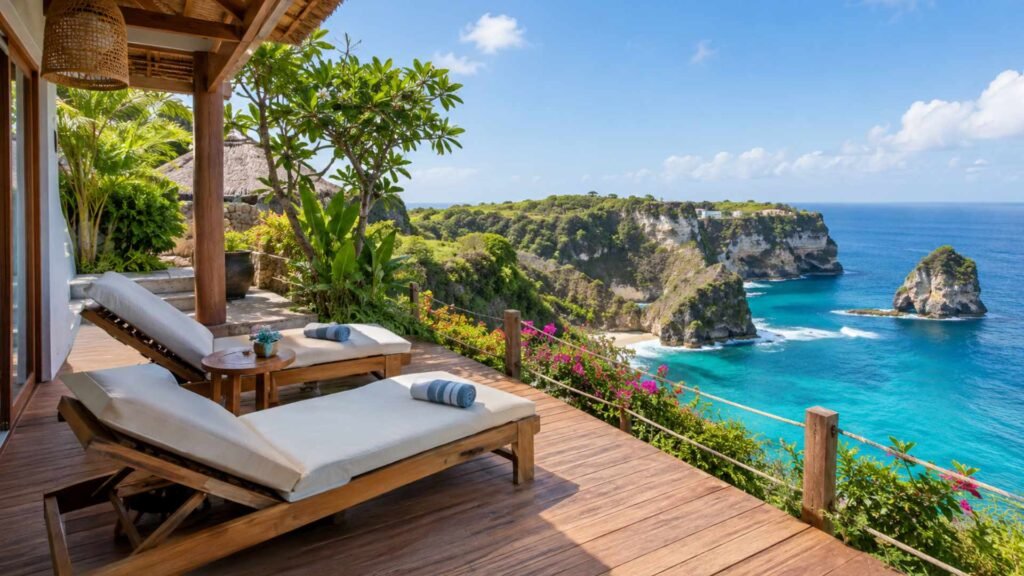
One of the biggest reasons travelers visit Nusa Penida is its extraordinary coastal landscape. Massive limestone cliffs rise above turquoise water, creating viewpoints that have become iconic across social media.
However, the island offers much more than famous photo spots.
Some highlights include:
Each destination has a different atmosphere, making it impossible to experience everything in just one day.
For underwater enthusiasts, Nusa Penida is one of Indonesia’s most rewarding snorkeling destinations.
Popular snorkeling locations include:
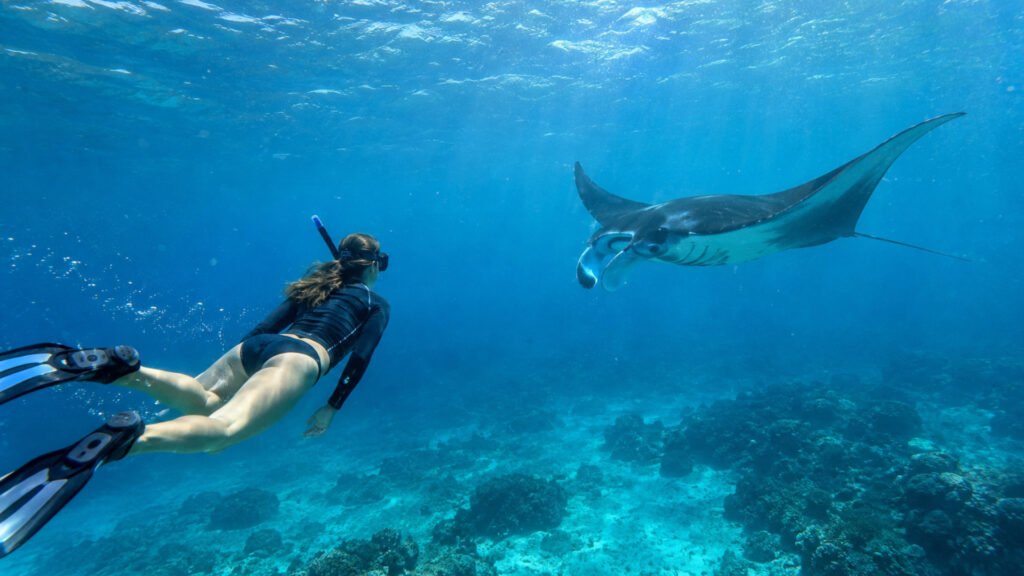
The island is especially famous for its resident manta rays, which can often be seen throughout the year. While sightings are never guaranteed, local operators regularly visit areas where manta rays are commonly found.
Visibility changes depending on tides, weather, and seasonal conditions. Following local guides’ safety instructions is essential because ocean currents around the island can be strong.
Unlike Bali’s wide highways, roads in Nusa Penida are narrower and more winding. Although road conditions have improved considerably in recent years, some routes remain steep and uneven.
Transportation options include:
Visitors unfamiliar with local road conditions often find that hiring a local driver allows them to relax while maximizing sightseeing time.
Since attractions are spread across the island, planning a realistic itinerary is more enjoyable than trying to visit every location in a single day.
Nusa Penida can be visited throughout the year, but weather influences both sightseeing and snorkeling conditions.
The dry season, generally from April to October, usually offers:
The rainy season brings lush green landscapes and fewer visitors, although occasional heavy rain may affect road conditions and boat schedules.
Early morning is often the best time to visit popular viewpoints before tour crowds arrive.
A little preparation helps make the experience much more enjoyable.
Useful recommendations include:
If visiting during peak holiday seasons, booking transportation and fast boat tickets in advance is recommended.
Although Nusa Penida remains focused on nature tourism, the island now has a growing selection of cafés and local restaurants.
Visitors can enjoy Indonesian specialties such as nasi goreng, grilled seafood, satay, and fresh tropical fruit, alongside international dishes including burgers, pizzas, smoothie bowls, and specialty coffee.
Many cafés along the northern coast offer ocean views, making them pleasant stops between sightseeing locations.
Many travelers choose a day trip from Bali, but spending one or two nights allows a more relaxed experience.
An overnight stay gives you the opportunity to:
Travelers interested in photography often appreciate the softer morning and evening light that overnight stays provide.
The island’s natural beauty depends on responsible tourism.
Visitors can help protect Nusa Penida by:
Small actions contribute to preserving the island for future visitors.
Nusa Penida offers a different side of Bali—one defined by towering cliffs, turquoise waters, marine wildlife, and unforgettable coastal scenery. Whether your priority is snorkeling with manta rays, photographing dramatic viewpoints, or discovering hidden beaches, thoughtful planning will help you make the most of your visit.
If you’re traveling from Bali, arranging reliable transportation, fast boat tickets, and a well-planned island itinerary can simplify the journey. A private Nusa Penida tour or private driver is often the most convenient option for visitors who want to explore comfortably while making the most of their time on the island.
Yes. Many visitors explore the island on a day trip from Bali, although staying overnight provides a more relaxed experience.
Most fast boats from Sanur reach Nusa Penida in approximately 30–50 minutes, depending on weather and sea conditions.
Yes, many snorkeling tours welcome beginners. Always choose a reputable operator and follow the crew’s safety instructions, especially because currents can be strong.
The dry season, generally between April and October, offers more reliable weather, calmer seas, and better snorkeling visibility.
A private driver is recommended for many visitors because attractions are spread across the island, roads can be steep, and local drivers know the most efficient routes between destinations.
Read Bali travel blog and news featuring tour tips, destination guides, local culture, and the latest updates from Bali & Nusa Penida
Nusa Penida Full Day Tour: How to Make Every Stop Count Planning…
Jimbaran Seafood Dinner: How to Plan a Relaxed Evening in Bali A…
Best Hotels in Nusa Penida for Every Traveler Choosing the best hotels…