Nusa Penida Full Day Tour:…
Nusa Penida Full Day Tour: How to Make Every Stop Count Planning…
One of the biggest reasons travelers visit Nusa Penida is the opportunity to swim alongside graceful manta rays in their natural habitat. Unlike aquariums or enclosed marine parks, the waters surrounding the island offer a chance to observe these gentle giants in the open ocean, making it one of Bali’s most unforgettable wildlife experiences.
If you’re planning to Swim with Manta Rays Nusa Penida, preparation is just as important as excitement. Choosing the right season, understanding sea conditions, and selecting a responsible snorkeling operator all contribute to a safer and more rewarding adventure.
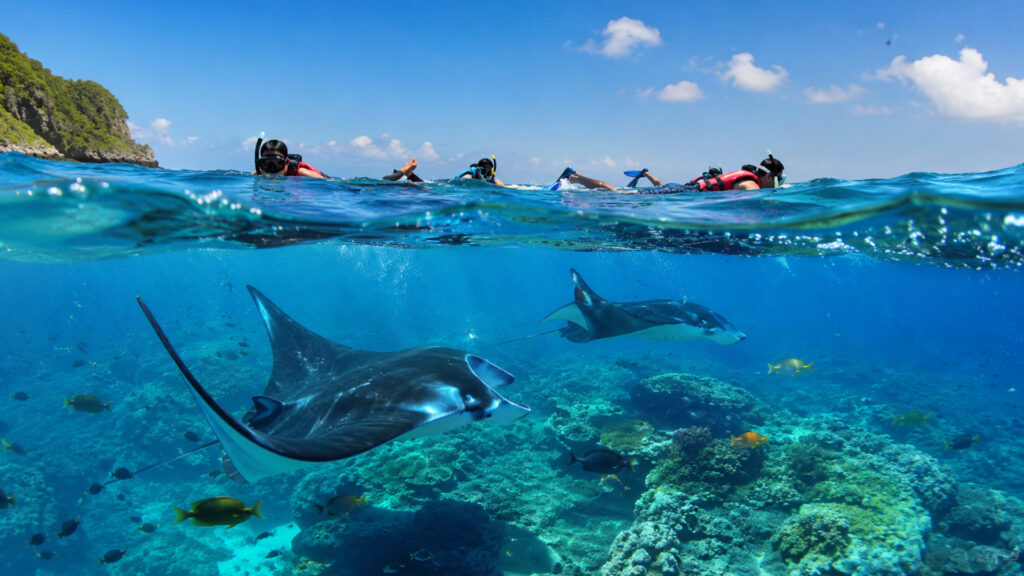
Nusa Penida lies within a protected marine conservation area known for its healthy coral reefs, nutrient-rich waters, and incredible marine biodiversity. These conditions attract reef manta rays throughout much of the year.
One of the island’s most famous snorkeling locations is Manta Point, where ocean currents bring plankton that manta rays feed on naturally. Another popular location is Manta Bay, which is generally calmer but wildlife sightings can vary depending on ocean conditions.
Because manta rays are wild animals, sightings are never guaranteed. However, many visitors successfully encounter them throughout the year.
Although manta rays can be seen during every season, weather and sea conditions greatly influence snorkeling comfort.
The dry season, typically from April through October, usually provides calmer seas, better underwater visibility, and more reliable boat operations.
During the rainy season, visibility may decrease and rougher waves occasionally lead to schedule adjustments. Boat operators always prioritize passenger safety, so itineraries may change if ocean conditions become unfavorable.
Checking the weather forecast a day before departure is always recommended.
Most visitors begin their journey from mainland Bali.
Fast boats depart from Sanur Harbor daily, with the crossing taking approximately 30 to 45 minutes, depending on sea conditions and the vessel.
If you’re staying in areas such as:
it’s worth arranging transportation to the harbor in advance, especially for early morning departures.
Many travelers prefer combining hotel transfers, fast boat tickets, and island transportation into one itinerary to reduce unnecessary planning.
Most snorkeling tours begin early in the morning when sea conditions are generally calmer.
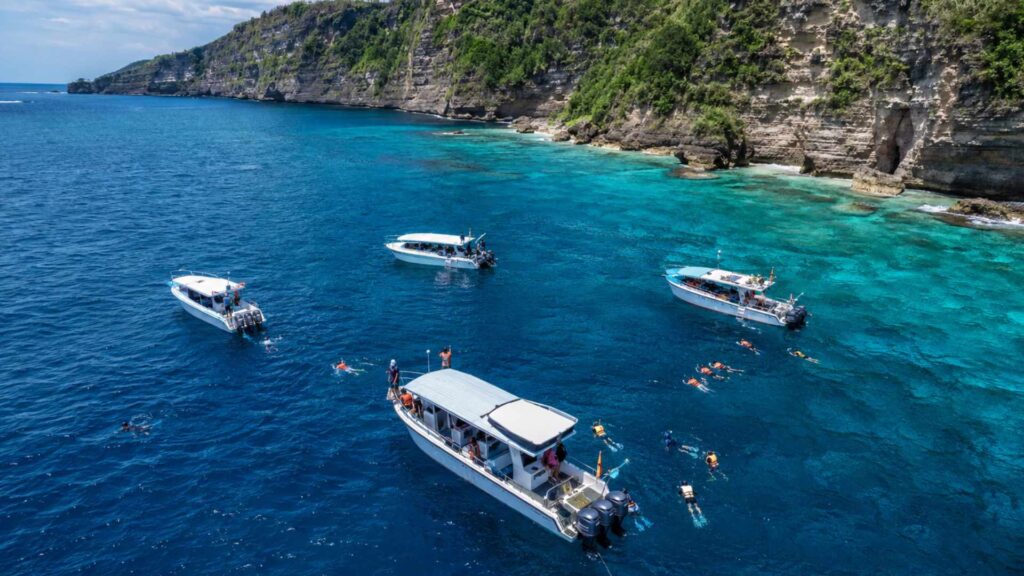
After arriving at the harbor in Nusa Penida, you’ll board a dedicated snorkeling boat that visits several marine sites, commonly including:
The exact snorkeling locations depend on weather, tides, and current conditions.
Professional guides usually provide:
The snorkeling sessions typically last between 15 and 30 minutes at each location.
For most healthy travelers, snorkeling with manta rays is considered safe when joining licensed operators that follow proper safety procedures.
Keep these tips in mind:
Ocean currents around Nusa Penida can be strong, even on calm-looking days. Local guides constantly monitor conditions and may relocate to another snorkeling site if necessary.
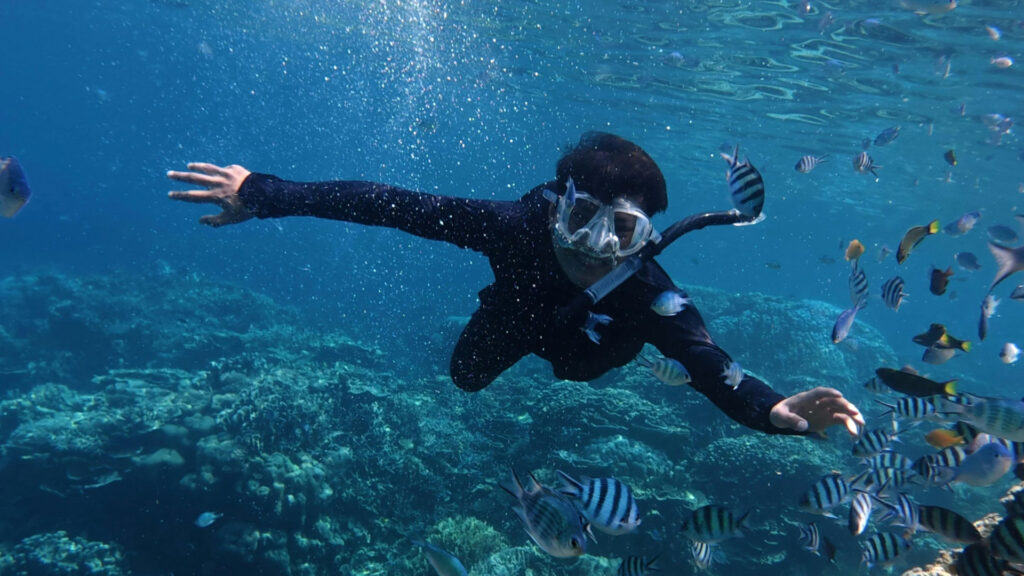
Manta rays are protected marine animals, and responsible tourism helps preserve their habitat for future generations.
Good snorkeling etiquette includes:
By respecting marine life, visitors contribute to the long-term health of Nusa Penida’s underwater ecosystem.
Packing the right essentials makes the experience much more enjoyable.
Recommended items include:
Most snorkeling operators provide masks, snorkels, fins, and life jackets.
A snorkeling trip often leaves enough time to explore some of Nusa Penida’s iconic landscapes.
Popular nearby attractions include:
Many visitors combine snorkeling with a private island tour to experience both the spectacular coastline and the island’s marine life in a single day.
Capturing manta rays underwater requires patience more than expensive equipment.
For the best results:
On land, early morning and late afternoon provide softer lighting for coastal viewpoints around Nusa Penida.
Before planning your snorkeling adventure, remember these practical tips:
Swimming with manta rays isn’t simply another snorkeling excursion—it offers the rare opportunity to observe one of the ocean’s most elegant creatures in a protected natural environment. Combined with Nusa Penida’s dramatic cliffs, crystal-clear bays, and vibrant coral reefs, it becomes one of the most memorable adventures visitors can enjoy during a Bali holiday.
If you’re already planning transportation around Bali, arranging a fast boat, airport transfer, or a private Nusa Penida tour alongside your snorkeling trip can make the journey smoother and allow you to spend more time enjoying the island rather than coordinating logistics.
Yes. Many snorkeling tours welcome beginners and provide life jackets, snorkeling equipment, and experienced guides to assist throughout the trip.
No. Manta rays are wild animals, so sightings depend on weather, sea conditions, and their natural movements.
Most snorkeling trips last around two to three hours, while full-day tours that include island sightseeing typically take seven to nine hours.
The dry season from April to October generally offers calmer seas and clearer underwater visibility, although manta rays can be seen year-round.
Yes. During peak travel periods, booking your fast boat and snorkeling tour a few days in advance helps secure your preferred departure time and avoids last-minute availability issues.
Read Bali travel blog and news featuring tour tips, destination guides, local culture, and the latest updates from Bali & Nusa Penida
Nusa Penida Full Day Tour: How to Make Every Stop Count Planning…
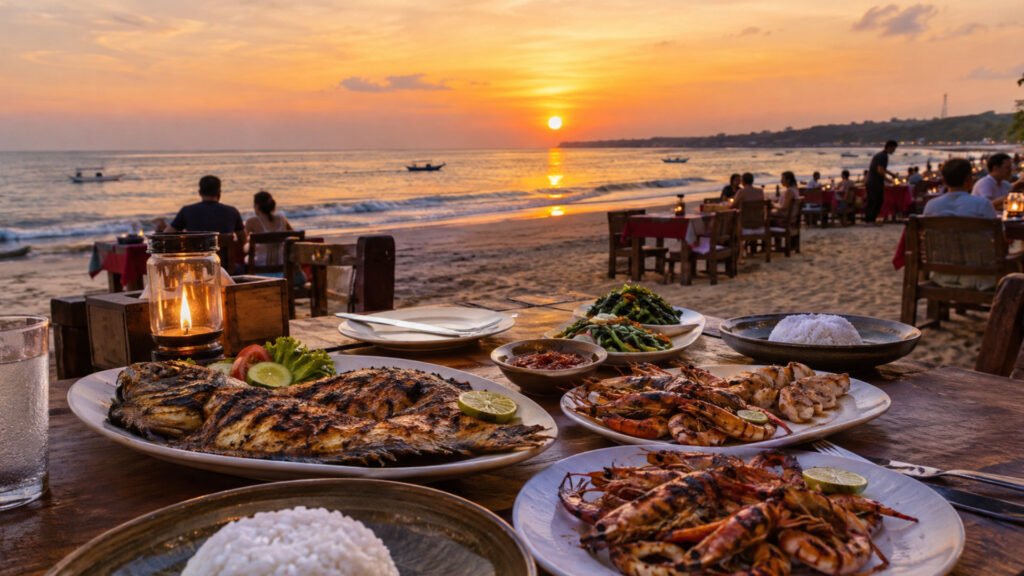
Jimbaran Seafood Dinner: How to Plan a Relaxed Evening in Bali A…
Best Hotels in Nusa Penida for Every Traveler Choosing the best hotels…