Nusa Penida Full Day Tour:…
Nusa Penida Full Day Tour: How to Make Every Stop Count Planning…
An Ubud coffee plantation visit is one of the most popular experiences in central Bali. While Ubud is famous for its rice terraces, temples, and cultural attractions, many travelers also come here to discover Bali’s coffee-growing traditions. A visit to a coffee plantation allows guests to learn about local farming practices, enjoy fresh coffee tastings, and experience some of the island’s most beautiful countryside views.
Because most plantations sit in the lush highlands around Ubud, they often become part of a full-day sightseeing itinerary. As a result, visitors can combine coffee tasting with rice terraces, waterfalls, temples, and cultural landmarks throughout the region.
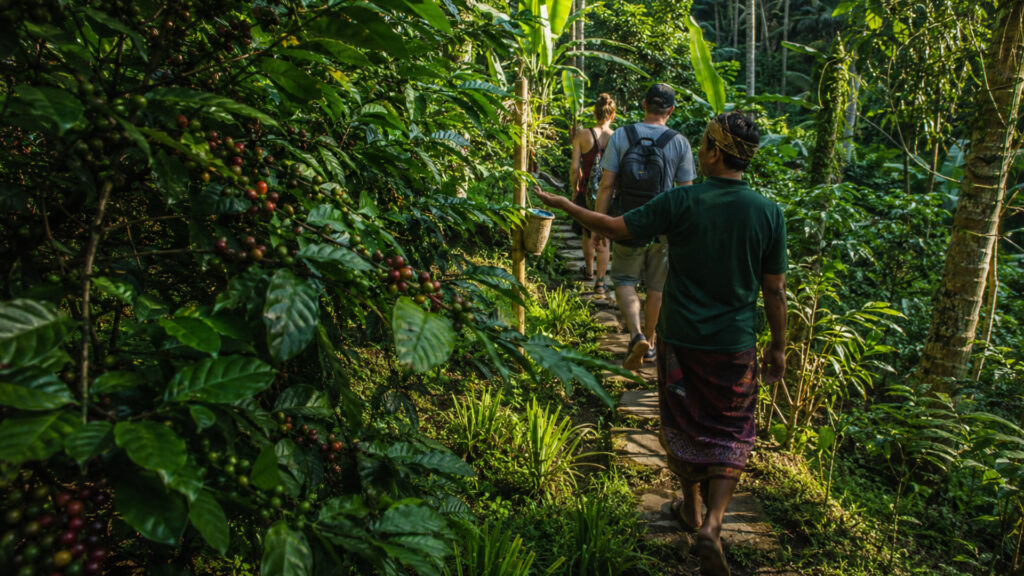
Bali’s volcanic soil and tropical climate create ideal conditions for growing coffee. Therefore, coffee plantations around Ubud produce high-quality Arabica and Robusta beans while maintaining traditional cultivation methods.
Unlike commercial coffee farms in many countries, most coffee plantations near Ubud offer interactive experiences. Visitors can walk through the gardens, see coffee plants up close, observe traditional roasting techniques, and taste different varieties of coffee and herbal teas.
In addition, many plantations are located on elevated terrain overlooking valleys, forests, and rice fields. Consequently, the views often become just as memorable as the coffee itself.
Travel times vary depending on traffic and the exact plantation location.
The journey typically takes around 1 hour 20 minutes to 1 hour 40 minutes.
Most visitors can reach an Ubud coffee plantation within 1 hour 15 minutes to 1 hour 30 minutes.
Travel time usually ranges from 1 hour 20 minutes to 1 hour 45 minutes.
Visitors should expect approximately 1 hour 45 minutes to 2 hours.
Most coffee plantations sit just 15 to 30 minutes from central Ubud.
For this reason, many travelers staying in southern Bali choose a private day tour that combines several attractions in one trip.
Every plantation has its own unique layout and atmosphere. However, most experiences include several common activities.
Guests can explore tropical gardens filled with coffee trees, cacao plants, vanilla vines, spices, and medicinal herbs. Guides often explain how coffee cherries develop and how farmers harvest them throughout the year.
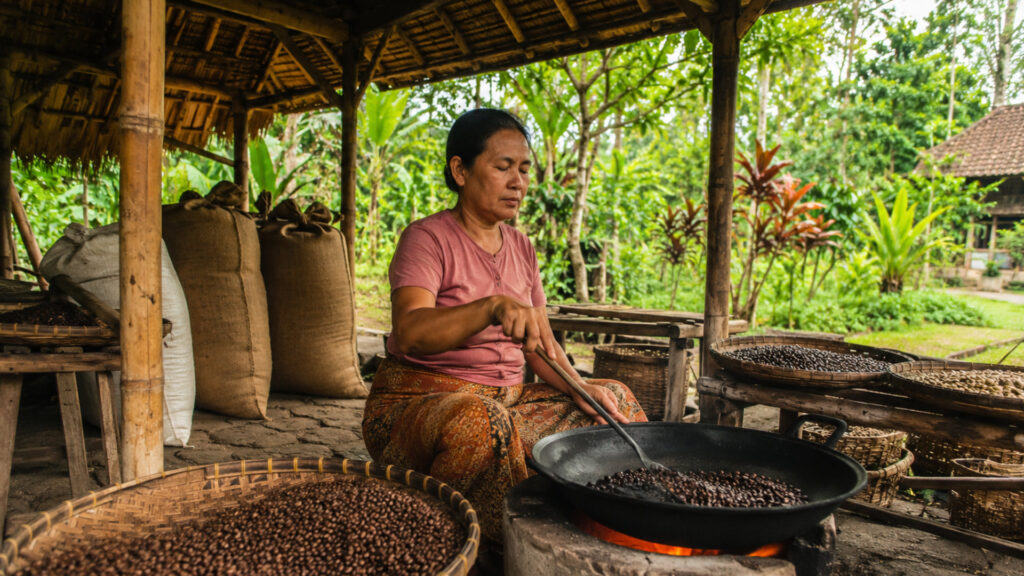
Many plantations demonstrate traditional coffee processing methods. Visitors can see how beans are cleaned, dried, roasted, and ground before brewing.
This educational aspect gives travelers a deeper appreciation for the work behind every cup of coffee.
One of the highlights of any Ubud coffee plantation visit is the tasting session. Visitors can sample various coffees and locally produced teas while enjoying scenic views.
Popular tasting selections often include:
Because each drink has a unique flavor profile, the tasting session helps visitors discover their personal favorites.
Most visitors do not spend an entire day at the plantation itself. Instead, they combine it with nearby attractions.
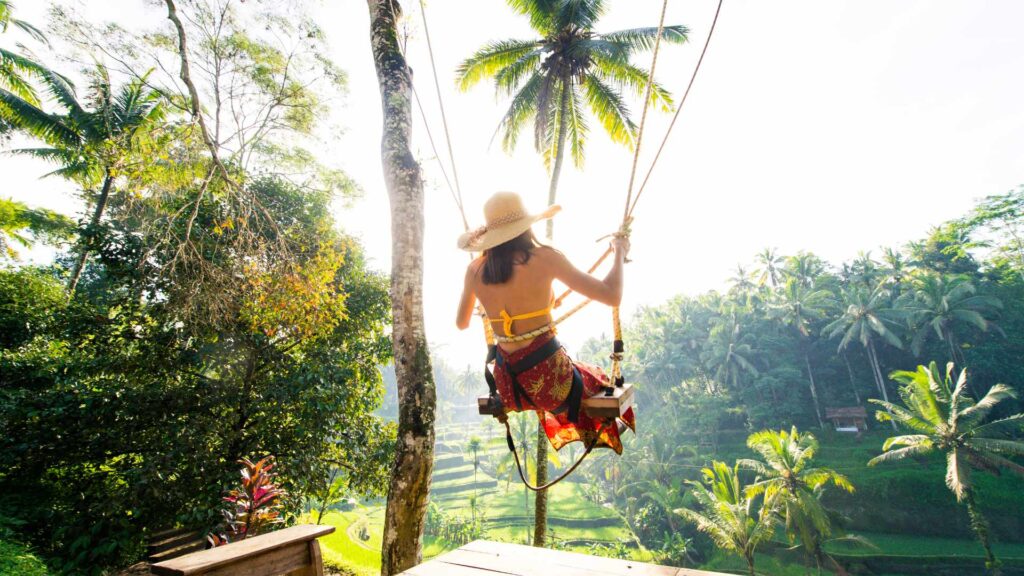
Located north of Ubud, Tegalalang offers one of Bali’s most iconic landscapes. The terraced rice fields create stunning photography opportunities throughout the year.
This beautiful waterfall provides a refreshing contrast to the plantation experience. Visitors can enjoy scenic viewpoints or walk down to the river below.
Home to hundreds of long-tailed macaques, the Monkey Forest combines nature, culture, and history within a protected sanctuary.
Located in the center of town, Ubud Palace showcases traditional Balinese architecture and cultural heritage.
This market is an excellent place to shop for handmade souvenirs, textiles, paintings, and local crafts.
The dry season between April and October generally provides the most comfortable weather conditions. During this period, visitors enjoy clearer skies and easier walking conditions.
However, coffee plantations remain open throughout the year. Since many tasting areas are covered, occasional rain rarely affects the experience.
For the best atmosphere, consider arriving in the morning. Early visits often provide cooler temperatures and fewer visitors.
To make your trip more enjoyable, consider the following recommendations:
Some plantations include uneven pathways and garden trails.
The scenic valley views and tropical landscapes provide excellent photography opportunities.
Bali’s tropical climate can feel warm, especially during midday.
Combining a plantation visit with nearby attractions maximizes your day.
Private tours offer greater flexibility and allow you to customize your itinerary according to your interests.
An ubud coffee plantation visit offers much more than a simple coffee tasting. It provides insight into local agriculture, introduces visitors to traditional Balinese coffee culture, and delivers some of the most beautiful countryside scenery in Bali.
Whether you are interested in coffee, photography, culture, or nature, this experience fits perfectly into a full-day Ubud adventure.
If you are planning a Bali holiday and want to experience the best of central Bali, our private tours can help you create a comfortable and memorable itinerary. Combine an ubud coffee plantation visit with rice terraces, waterfalls, temples, and cultural attractions while enjoying the flexibility of a private driver and personalized schedule.
Contact privatenusapenidatour.com today and start planning your perfect Bali adventure.
Read Bali travel blog and news featuring tour tips, destination guides, local culture, and the latest updates from Bali & Nusa Penida
Nusa Penida Full Day Tour: How to Make Every Stop Count Planning…

Jimbaran Seafood Dinner: How to Plan a Relaxed Evening in Bali A…

Best Hotels in Nusa Penida for Every Traveler Choosing the best hotels…